Green Initiatives: How E-Waste Recycling Services Are Protecting Our Planet
E-waste represents a considerable hazard to the environment, as disposed electronics frequently harbor hazardous substances. Such dangerous compounds can pollute soil and water supplies, resulting in widespread environmental harm. Electronic waste recycling programs offer an effective remedy. They not only recover valuable resources but also mitigate pollution. Gaining insight into how these programs function and affect local communities is critical. Pursuing efficient e-waste management brings forth pressing questions regarding individual duties and shared responsibility. What actions should be considered going forward?
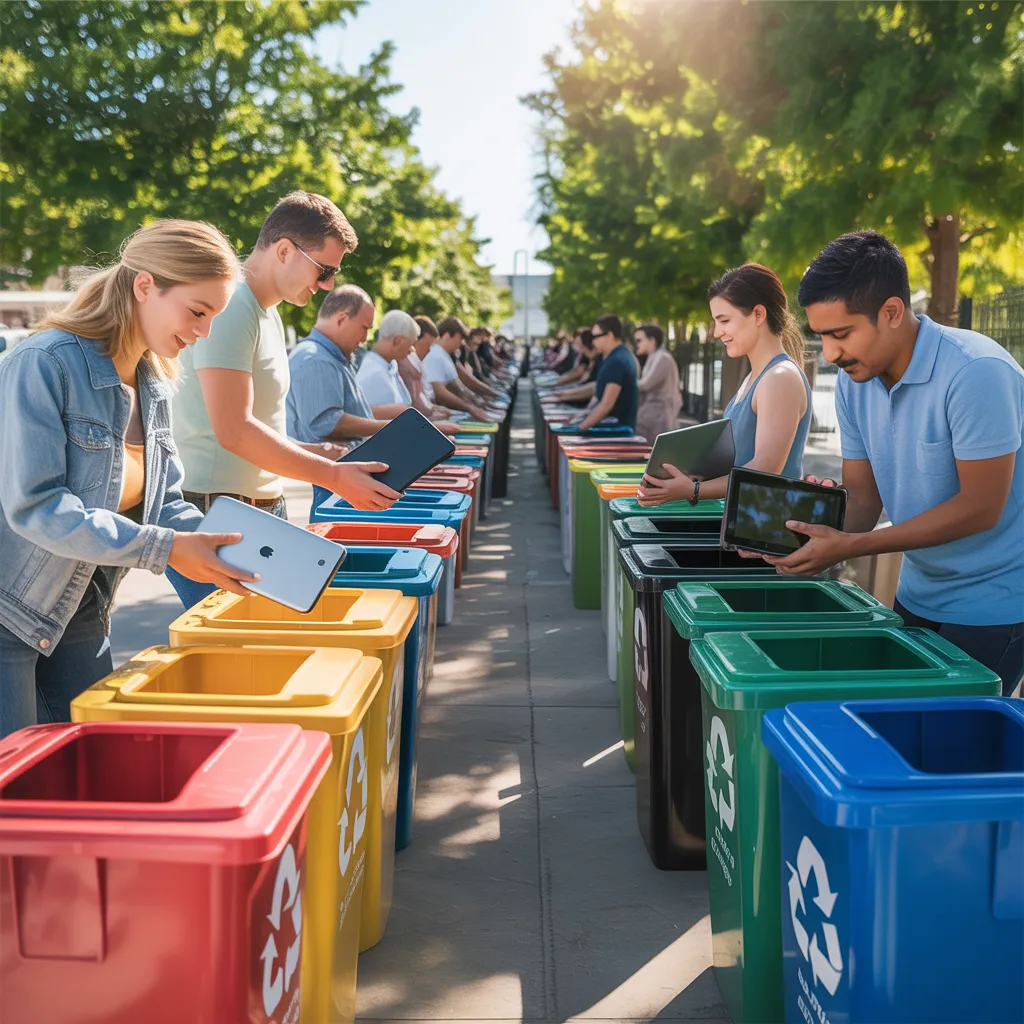
Why E-Waste Is Bad for the Planet
Even though technological advancements improve contemporary living, e-waste creates considerable environmental hazards. Disposed electronic equipment, frequently composed of hazardous materials such as mercury, lead, and cadmium, are capable of seeping pollutants into groundwater and soil, posing risks to ecosystems and human health. The rapid pace of technological advancement results in higher rates of electronics disposal among consumers, exacerbating the accumulation of e-waste.
Landfills, already overwhelmed with refuse, find it difficult to handle the increasing amounts of discarded devices. Incineration, another disposal method, releases harmful pollutants into the atmosphere, contributing to air quality degradation. Furthermore, inadequate recycling methods can result in the shipment of electronic waste to Learn more underdeveloped nations, where workers may break down equipment without proper protective measures, putting themselves at risk of exposure to hazardous materials. This cycle of neglect and improper handling underscores the urgent need for sustainable recycling solutions that can mitigate the adverse effects of e-waste on the planet.
What Is E-Waste and Why Does It Matter?
E-waste, or electronic waste, encompasses obsolete electronic products including smartphones, computers, and televisions that are no longer functional or needed. This growing category of waste is significant because of its swift buildup, propelled by advances in technology and evolving consumer behaviors. As more devices become obsolete, the ecological consequences become more pronounced, with toxic materials such as lead, mercury, and cadmium threatening both ecosystems and public health.
The significance of tackling e-waste extends beyond minimizing these risks to recognizing the valuable resources it holds. Valuable metals and rare earth materials can be extracted and repurposed, lessening the demand for mining and preserving natural resources. Through a deeper awareness of e-waste and its consequences, both individuals and organizations can make well-informed choices regarding disposal and recycling, thereby supporting a more sustainable future. Responsible management of e-waste plays a key role in supporting a circular economy and championing environmental stewardship.
How E-Waste Recycling Works
Recycling e-waste involves a structured approach aimed at reclaiming useful resources while limiting ecological damage. To begin, electronic waste is gathered and delivered to dedicated processing centers. Upon arrival, the electronics are carefully categorized to distinguish harmful elements from reusable resources.
Subsequently, technicians take apart the devices, removing glass, metals, and plastics. This step is critical, as it facilitates the recovery of valuable metals like gold, silver, and copper, which can be recycled in new electronics.
Next, the isolated materials are refined via cutting-edge techniques, such as shredding and specialized chemical treatments, to prepare them for recycling.
Ultimately, the remaining dangerous materials are managed properly, complying with environmental regulations. This systematic method not only saves important resources but also reduces the dangers associated with improper e-waste disposal, guaranteeing a greener future for electronic device usage.
Advantages of E-Waste Recycling for You and Your Community
Though many people are unaware, the advantages of e-waste recycling go far beyond individual benefit and actively shape entire communities. By properly recycling electronic waste, individuals help foster a cleaner environment, minimizing hazardous materials that can contaminate soil and water. This responsible method helps preserve local ecosystems and promotes public health.
Additionally, e-waste recycling promotes employment opportunities within local communities. Community recycling operations commonly require workers for various operations, covering everything from collection to processing, consequently creating meaningful employment for community members. This not only strengthens the regional economy but also inspires community dedication to sustainable efforts.
In addition, knowledge about e-waste recycling is capable of inspiring educational initiatives, enabling residents to pursue greener alternatives. By enrolling in e-waste recycling programs, individuals nurture a culture of sustainability, inspiring others to join the movement. Ultimately, the shared impact of these actions can create a more sustainable and conscientious community.
How to Select an E-Waste Recycling Service
Picking the most suitable e-waste recycling service is essential for ensuring that electronic waste is managed in a responsible and sustainable manner. First, individuals should verify the company's credentials, such as e-Stewards or R2, which signify compliance with established benchmarks for responsible recycling methods. Additionally, it is advisable to evaluate the organization's credibility by reviewing feedback and looking for advice from dependable sources.
Furthermore, openness in the recycling process is crucial. A reliable provider should offer detailed insights about how e-waste is processed and how the materials are utilized. Additionally, assessing the variety of services available can be advantageous; various firms may supply retrieval services or extend benefits for recycling.
In addition, familiarizing yourself with area-specific requirements for e-waste disposal may further shape the selection process. By prioritizing these factors, individuals can contribute to efficient electronic waste handling alongside encouraging sustainable environmental efforts.
How You Can Take Part in E-Waste Recycling?
Participating in e-waste recycling may begin at the local level, where recycling centers regularly supply essential services for proper disposal. Additionally, participating in community awareness campaigns can enhance efforts to raise awareness about the importance of ethical e-waste practices. These initiatives not only encourage sustainable practices but also foster a collective sense of accountability for the environment.
Community Recycling Locations
Several local recycling centers fulfill a critical purpose in recycling electronic waste, giving communities practical solutions to handle electronic waste in a responsible manner. These stations receive a range of digital devices, including outdated computers, mobile phones, and TVs, verifying that toxic materials are disposed of safely. Most stations have knowledgeable personnel who are able to assist individuals with correct disposal techniques, stressing the significance of recycling instead of landfilling. Moreover, various hubs coordinate scheduled drop-off occasions or specific collection dates, making participation convenient for residents. By engaging with these local facilities, residents support a circular economy, lowering environmental harm and encouraging sustainable habits. Engaging with these centers allows communities to address e-waste pollution proactively.
Community Outreach Campaigns
Local organizations, schools, and businesses can partner to arrange initiatives that encourage e-waste collection drives. Volunteers can play a pivotal role in raising awareness, sharing informational resources, and connecting with local residents. Through these collective efforts, local inhabitants gain greater awareness and encouragement to properly recycle their e-waste, thus playing a meaningful role in creating a more environmentally responsible future.
Questions We Often Receive
Which Types of Electronics Are Recyclable?
Various electronics can be recycled, including smartphones, computers, laptops, televisions, printers, and gaming consoles. Furthermore, accessories such as mice, keyboards, and batteries are well-suited for recycling, contributing to environmental conservation efforts.
Are There Fees Involved With E-Waste Recycling?
Indeed, e-waste recycling may involve fees, subject to the provider. Some service centers impose charges for collection or processing, while other facilities offer free services, frequently supported by the proceeds from salvaged materials.
How Do Businesses Gain From E-Waste Recycling?
Businesses can benefit from e-waste recycling by reducing disposal costs, enhancing their environmental image, adhering to regulatory requirements, extracting valuable resources, and possibly earning income through resale, ultimately contributing to a more sustainable operational strategy.
What Happens to Data on Recycled Devices?
Data from recycled devices is commonly permanently erased or destroyed throughout the recycling process. This guarantees private details is kept safe, preventing unauthorized access while enabling materials to be repurposed securely and sustainably across new manufacturing processes.
Is It Possible to Recycle Damaged Electronics?
Absolutely, defective electronics may be recycled. A wide range of collection points receive damaged devices, guaranteeing proper disposal and extraction of precious materials. Doing so helps lower the environmental footprint while promoting sustainable recycling habits to manage electronic waste efficiently.